

What Is Fixed Wireless Internet? An Introductory Guide
by Ralph Heredia on Oct 1, 2026, 4:16:00 PM

Fixed wireless internet is transforming how homes, businesses, and connected devices access reliable, high-speed internet, especially in locations where traditional wired broadband solutions are unavailable and too costly to install. Instead of relying on fiber or cable lines, fixed w …
Cellular IoT Explained: Is it Right for Your IoT Solution?
by Ralph Heredia on Sep 30, 2026, 1:40:00 AM

In a world increasingly populated by smart devices and real-time data, reliable, scalable, and secure connectivity is essential. Cellular IoT is transforming the opportunities for technological innovation. By using the same mobile networks that power your smartphone, cellular IoT conn …
Do IoT Devices Need Unlimited Data Plans?
by Ralph Heredia on Sep 3, 2026, 1:34:59 PM

Unlimited data plans promise IoT OEMs predictable monthly costs, simpler customer conversations, and fewer concerns about overage charges as their connected device fleets grow. For product leaders designing subscription packages, sales teams trying to reduce pricing friction, and oper …
Automatic vs. Manual Network Selection–Which Is Best for Cellular Devices?
by Ralph Heredia on Aug 7, 2026, 2:24:00 PM

For most IoT deployments, automatic network selection is the better choice. Devices that connect to the strongest available network deliver more reliable data transmission, require less hands-on management, and consume less power than devices locked to a predefined carrier list. Manua …
Solving eSIM Limitations with a Connectivity Partner
by Ralph Heredia on Jul 9, 2026, 11:47:24 AM

GSMA SGP.32 foretold a revolution in the IoT ecosystem, with IoT deployment-designed eSIMs transforming the potential performance, reliability, and accessibility of devices. IoT eSIMS arrived with a compelling promise: they could help OEMs eliminate physical SIM logistics, switch carr …
What Are IoT Sensors? Types, Uses, and Examples
by Ralph Heredia on Jun 24, 2026, 4:50:29 PM

The Internet of Things depends on data from the physical world. Connected devices can only monitor, automate, and respond intelligently when they have a way to detect what is happening around them — and that is the role of IoT sensors. These sensors measure conditions such as temperat …
7 Questions to Ask Your IoT Connectivity Provider: How to Maximize Reliability and Streamline Operations
by Ralph Heredia on Jun 3, 2026, 4:34:50 PM

For OEMs deploying and managing connected devices at scale, strong, reliable connectivity is as important as the product itself. It affects device performance, customer experience, operational visibility, regulatory compliance, and the ability to expand into new markets. The right IoT …
SIM Card Types and Sizes Explained
by Ralph Heredia on May 21, 2026, 11:09:53 AM
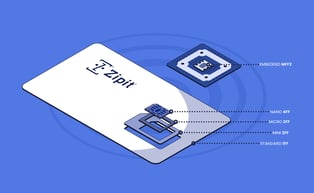
Choosing the wrong SIM for an IoT deployment can cost OEMs time, money, and long-term flexibility. A SIM that fits the device physically can still create problems if it limits carrier access, complicates activation, increases field service maintenance and truckrolls, or makes it harde …
The North American IoT Connectivity Market: From Legacy Networks to 5G RedCap
by Ralph Heredia on May 7, 2026, 12:11:09 PM
As 3G sunsets become a completed chapter and 4G infrastructure begins yielding spectrum to 5G expansion, IoT OEMs are entering a new era defined not just by faster speeds, but by architectural evolution. Standalone 5G cores, network slicing, ultra-low latency, enhanced security framew …
IoT Device Design: Build for Connectivity, Scale, and Monetization
by Ralph Heredia on Mar 19, 2026, 1:23:13 PM

Effective IoT device design hinges on whether an IoT device can keep working predictably, at scale, across markets, and under pressure. Successful IoT deployments aren’t built solely with engineering; they’re built with operational strategy and global awareness at the forefront.
Bring Your Own Cellular Connectivity: How Reliable Connections Strengthen Security and Support for IoT Devices
by Ralph Heredia on Mar 5, 2026, 10:16:22 AM

As connected devices become foundational to how businesses operate, expectations around security, reliability, and control have changed dramatically. IoT technology is no longer a futuristic or experimental prospect, relegated to speculative visions of a future governed by autonomous …
PSM and eDRX Explained: Power-Saving Network Features for IoT Devices
by Ralph Heredia on Feb 19, 2026, 12:55:26 PM

Battery life is a critical component for successful IoT deployments. Modern IoT deployments require lifetimes measured in years, not months. For devices that demand unattended operation, energy efficiency is mission-critical. Whether monitoring soil conditions for agricultural crops i …